Biosolids FAQ
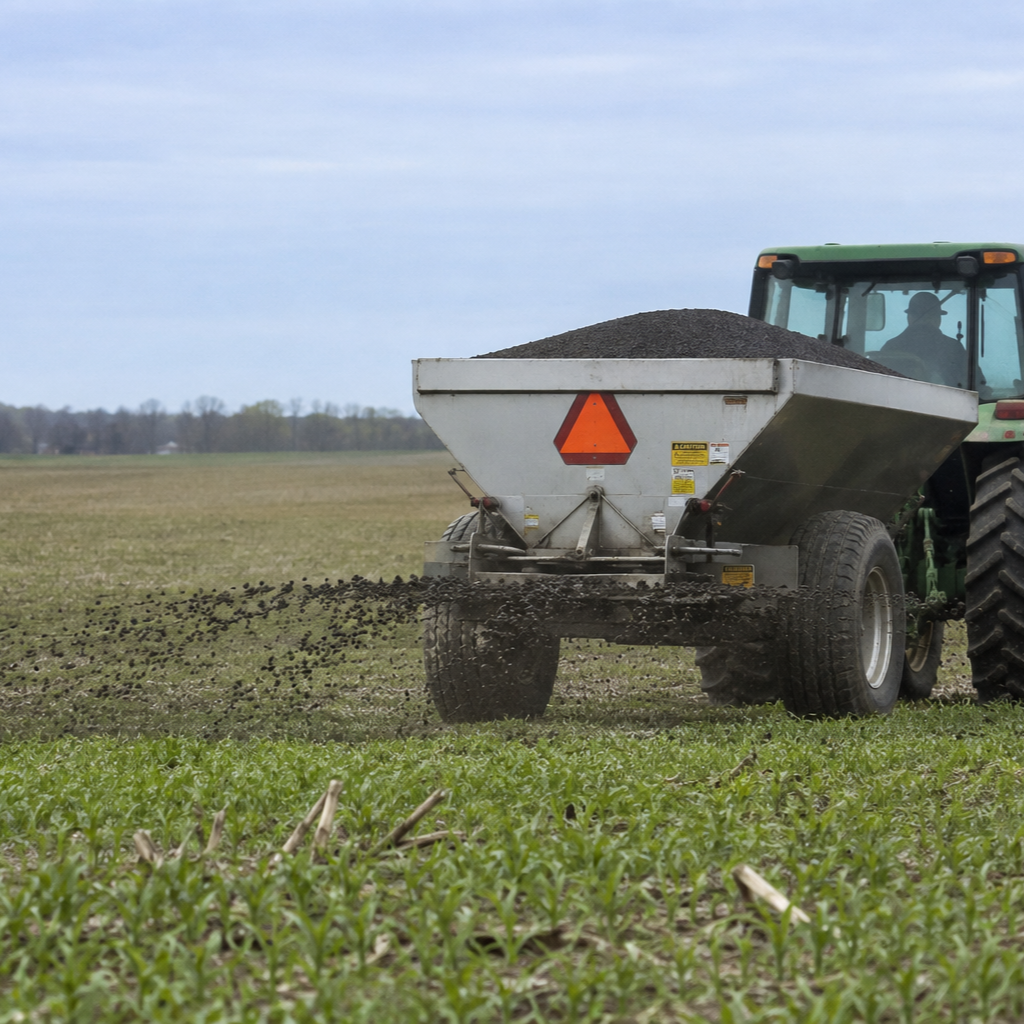
Biosolids recycling returns nutrients and organic matter to soils, and diverts useful nutrients from costly landfill space or incinerators. They become fertilizers and soil amendments that build healthy soils, restore barren lands, and help keep New England and eastern Canadian landscapes open and growing.
One Of Many: Related Organizations
Social science research on biosolids use and practical experience have demonstrated the need for open communications, sharing of accurate information, and building trust. We and our regional, state/provincial, and national biosolids associations and peers do just that, advancing research and best management practices and leading the way toward making biosolids management sustainable.


Biosolids Research Summary
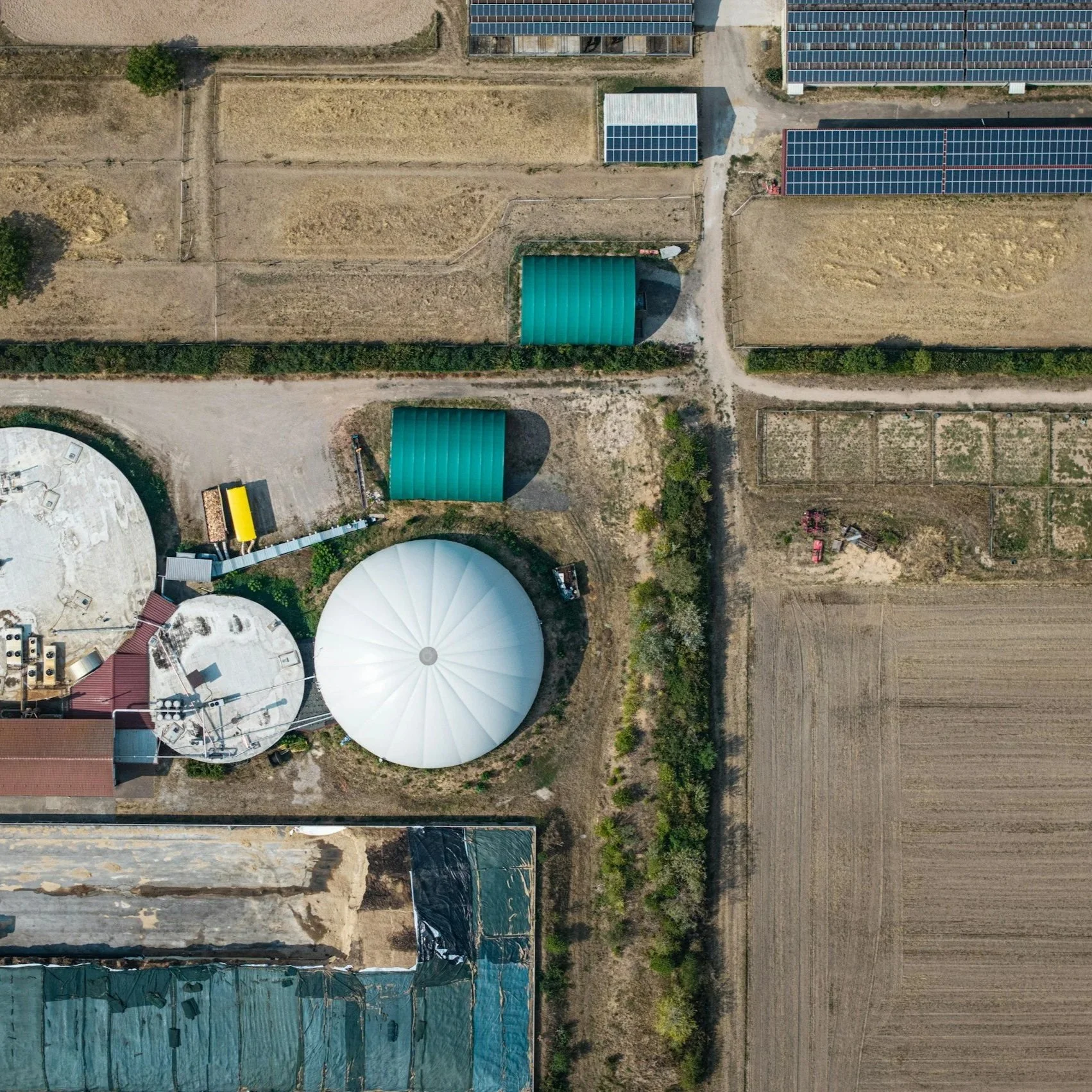
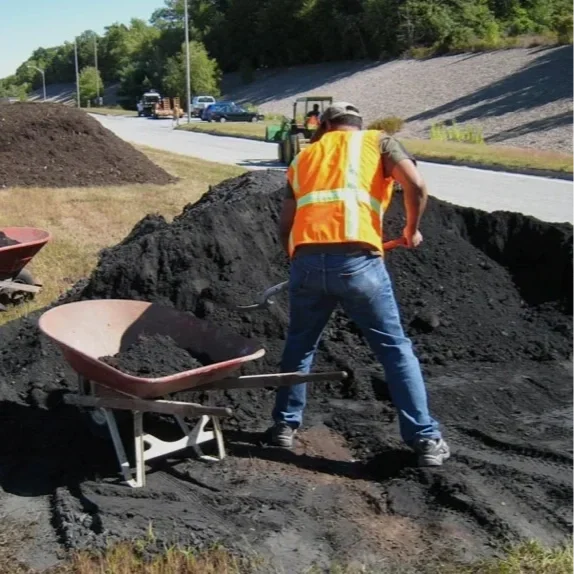
Biosolids are the nutrient-rich organic byproducts resulting from wastewater treatment. Biosolids have been treated and tested and meet strict federal and state or provincial standards for use as fertilizers and soil amendments. Biosolids provide plant nutrients and organic matter to soils. They can also be used to produce renewable energy through digestion and production of methane ("biogas") or by drying and thermal processing.
Biosolids Regulations in eastern Canada
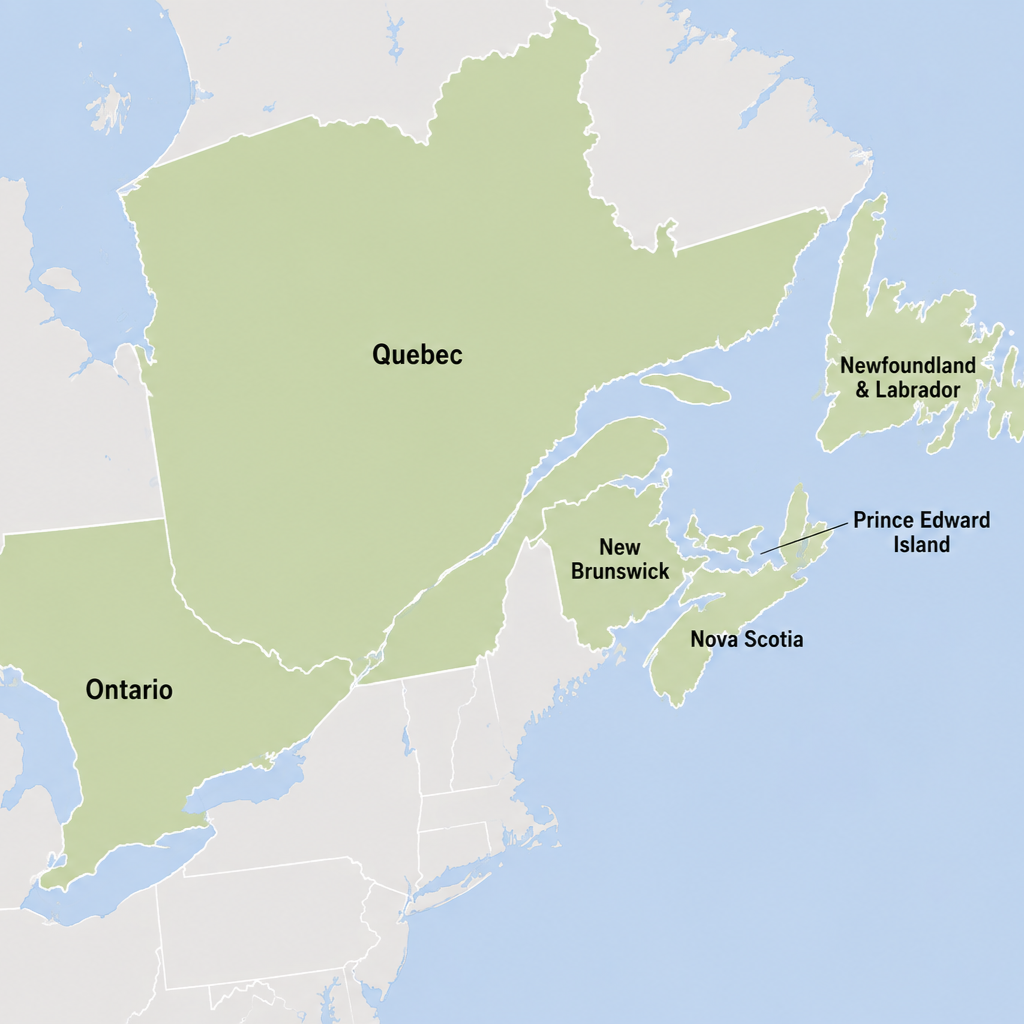
Ontario, Quebec, and the Atlantic Canada provinces have various levels of regulation or guidance, depending mostly on the volume of wastewater solids produced.
Biosolids Regulations in the U.S. Northeast
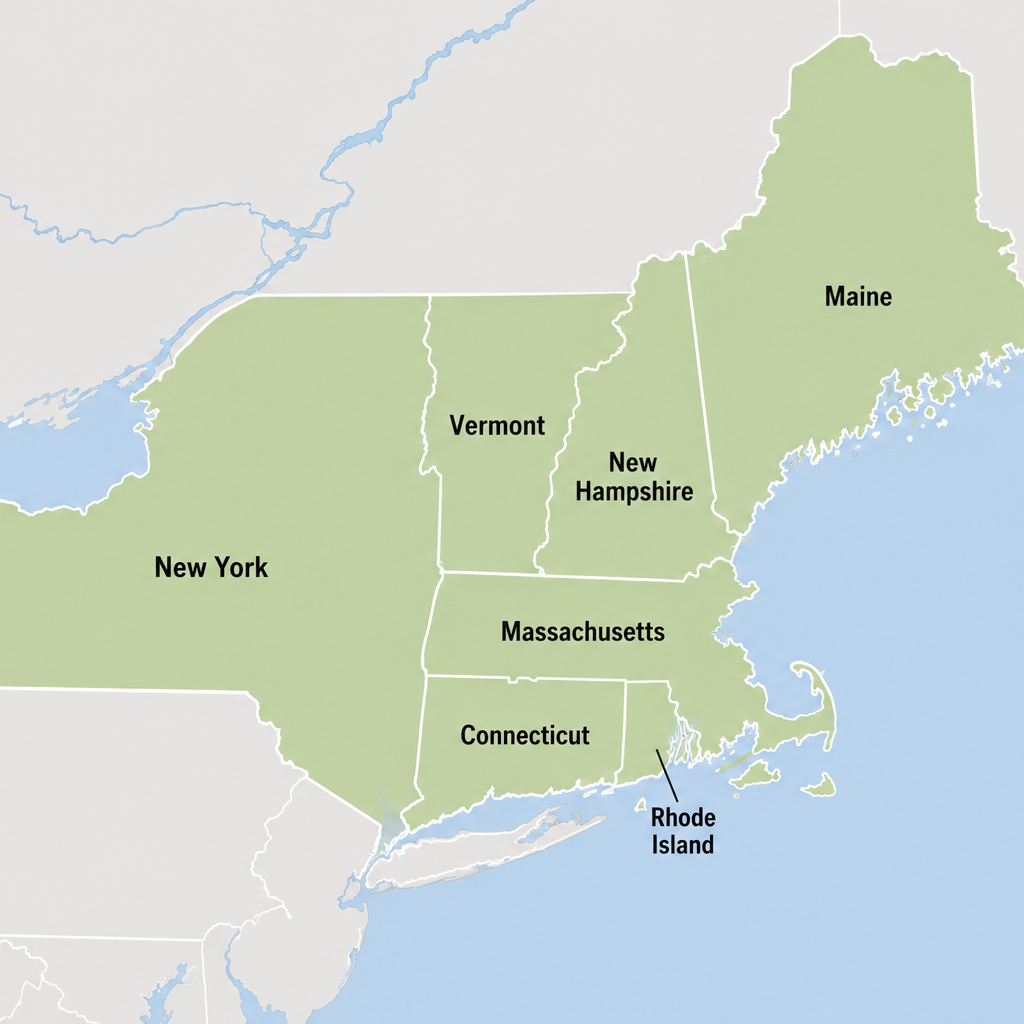
Five of the New England states and New York have unique regulations that go beyond the federal regulations and include additional restrictions, testing, monitoring, and management practices.
Phosphorus in biosolids and other residuals
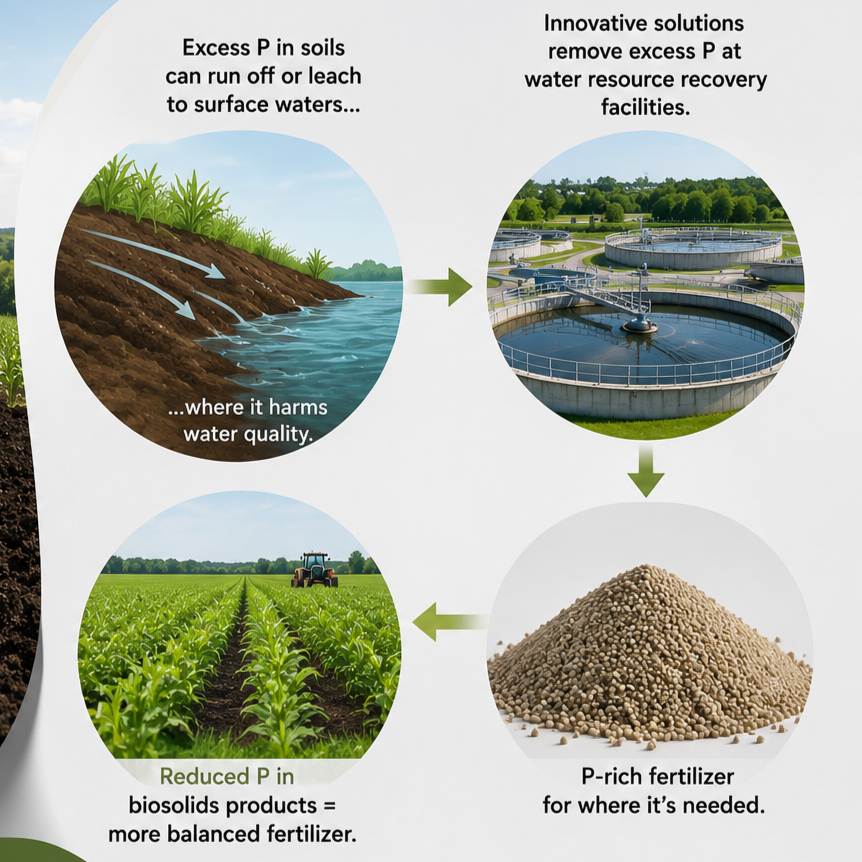
Biosolids contain a relatively high amount of phosphorus (P), one of the major essential plant nutrients. Nitrogen, another major essential plant nutrient, and P provide fertilizing value in biosolids. However, excess P in soils can, in some cases, run off or leach to surface waters, where it harms water quality. Biosolids researchers and managers are furthering the understanding of the complex dynamics of P in soils, in order to further protect water quality. One of the exciting new developments in biosolids management is the removal of excess P at water resource recovery facilities, creating a P-rich fertilizer that can easily be shipped to places where P is needed. This reduces the P in biosolids products, creating a more balanced fertilizer.
PFAS in Biosolids & Residuals
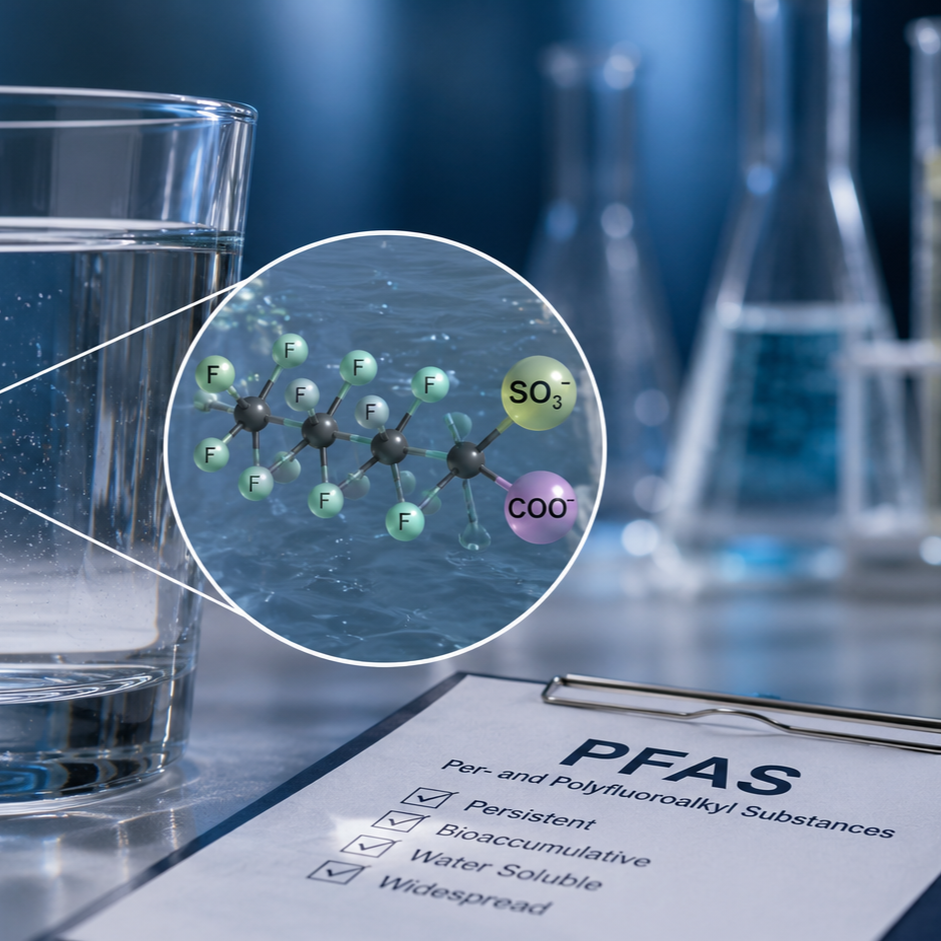
PFAS are in biosolids, septage, paper mill residuals, digestates, composts, & soils. Of course they are, usually in trace amounts. Because these materials reflect the chemistry of our daily lives. Action is the most efficient action to reduce risk—and it reduces potential concerns related to PFAS in recycled biosolids and residuals.