
There’s nothing better than leftovers.
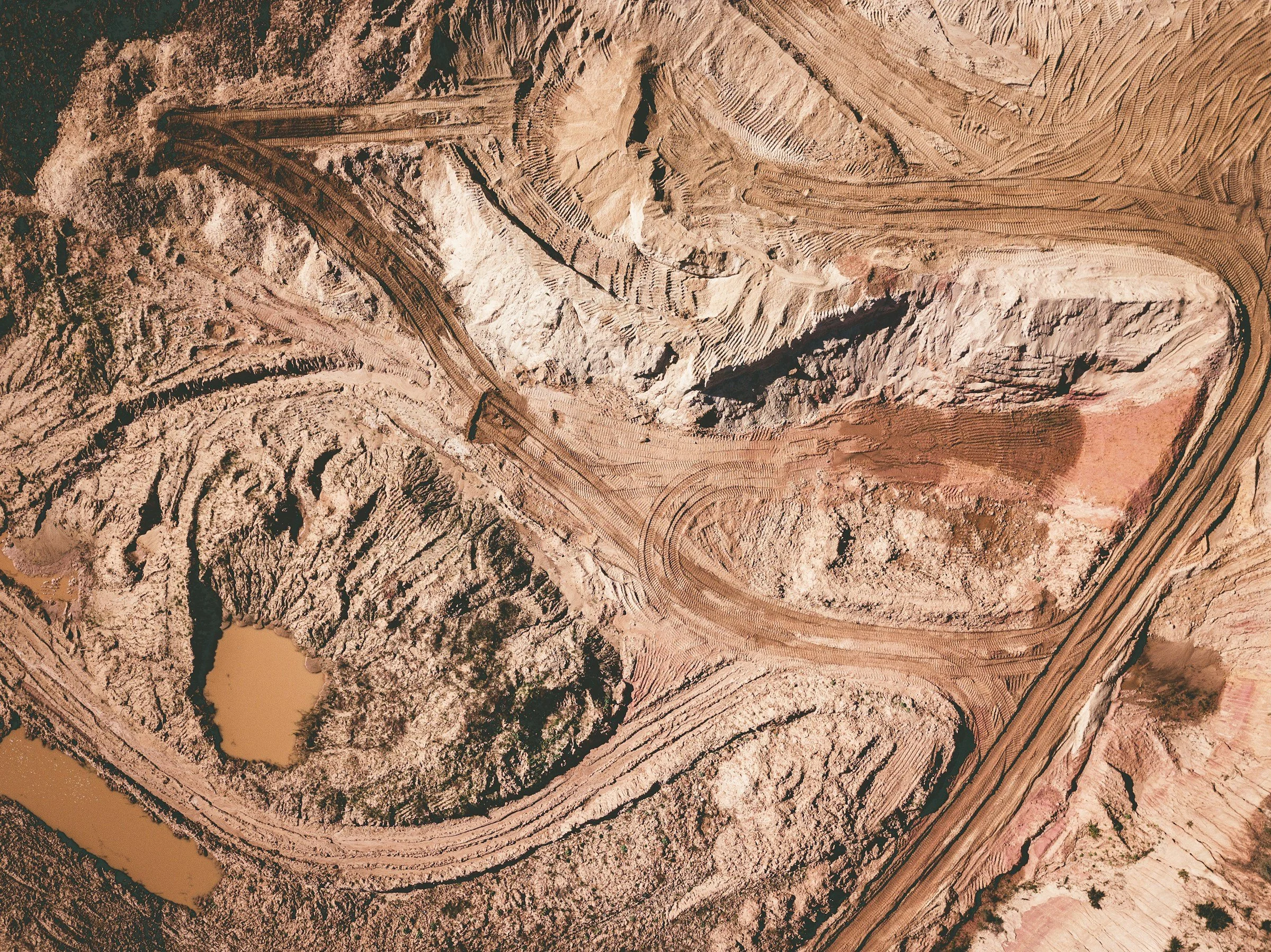
Residuals are materials left over from industrial, agricultural, or municipal operations. Across the Northeast, an abundance of wood ash, residual lime, waste wallboard gypsum, drinking water treatment residuals, short paper fiber, paper mill residuals, food processing residuals, septage, and manures can provide useful nutrients and minerals when reused.
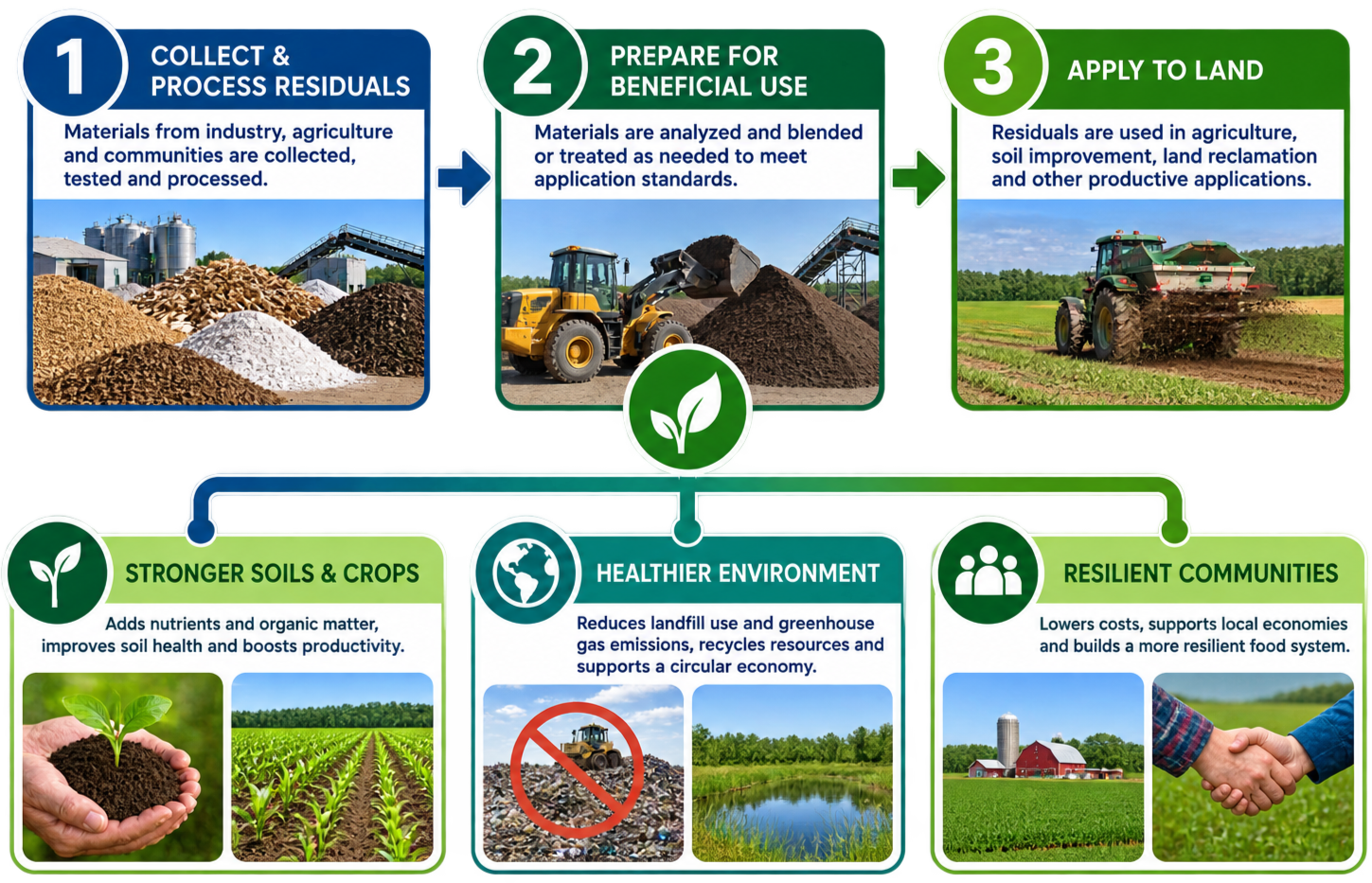
Once we’ve tested, regulated, and managed a residual to know it’s clean and safe, it can fuel farms, improve soil, reclaim land, aid in sustainable construction, or become compost, with countless benefits:
Improve soil health and productivity
Recycle nutrients and organic matter
Replace virgin or manufactured inputs
Restore degraded and disturbed lands
Reduce greenhouse gas emissions
Support agriculture and local economies
Reduce waste management costs
Relieve pressure on limited landfill capacity
One operation’s residuals are another’s gold.
For generations, our economy has largely followed a straight line: extract resources → make something → use it → dispose of what remains. But the end of one use can be the beginning of another.
Leftover nutrients can restore soils. Leftover organic carbon can help rebuild degraded land. Leftover minerals can replace newly manufactured or extracted inputs. Leftover materials that would otherwise consume scarce landfill space can remain productive.
Beneficial use changes what we consider ‘waste’ in the first place.
RESIDUALS ROUND-UP



Different materials, different opportunities.
Across the region, NEBRA members and partners are already seeing the benefits of residuals reuse in industrial and agricultural applications.
Wood ash can increase soil pH while supplying potassium, calcium, magnesium and phosphorus. It can also be used in composting and other applications.
Residual lime can provide highly reactive calcium and help correct soil pH, reducing the need for manufactured calcium and sulfur inputs.
Waste wallboard gypsum can be recycled as a soil amendment, where its calcium and sulfur content and physical properties can help improve soils and crop production.
Drinking water treatment residuals can bind phosphorus, help control erosion and become useful ingredients in manufactured topsoils for land reclamation.
Short paper fiber and other pulp and paper residuals can contribute organic carbon and nutrients, improve soil properties and help rebuild soils on degraded or disturbed land.