
FROM LIABILITY TO ASSET
RESIDUAL:
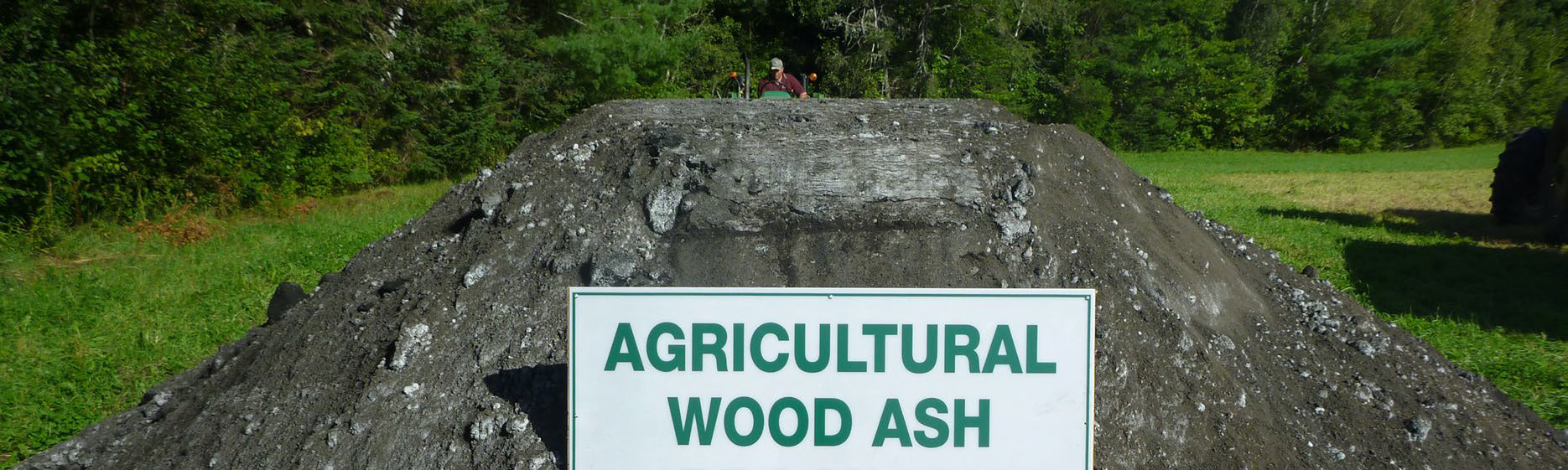
Wood Ash from biomass boiler combustion
J.D. Irving is a privately owned company headquartered in Saint John, New Brunswick Canada. They are involved in many industries including forestry, forest products, food processing, agriculture, transportation and shipbuilding.
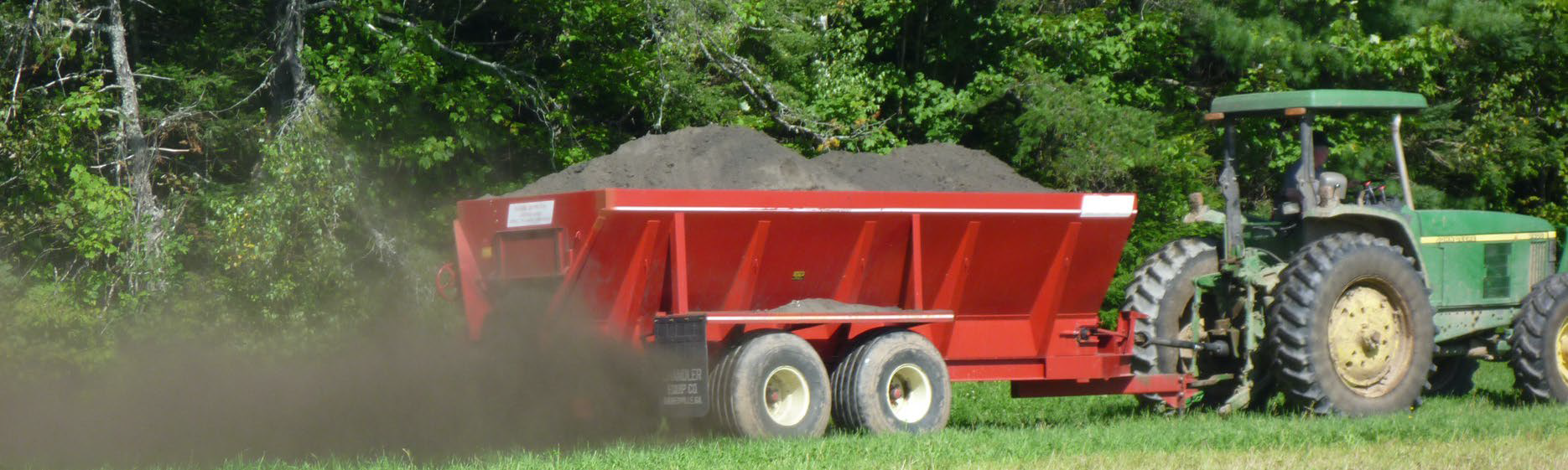
They are committed in protecting the environment by reducing their footprint and evaluating the opportunity for beneficial reuse of their waste streams. One of their most beneficial re-use programs in New Brunswick and Nova Scotia is their agricultural wood ash program. The wood ash consists of combusted wood material from bark, wood chips and sawdust, all by-products of generating energy.
THE CHALLENGE
In the past, J.D. Irving would send approximately 18,000 tonnes of wood ash to landfills. This was a high-cost measure that did not contribute to their goal of reducing their environmental footprint. In 2003, the company decided to make better use of their wood ash, exploring the potential of agricultural application to improve soil health. Right away, they identified two challenges:
PROVINCIAL APPROVAL: There was a cost and administrative burden required to obtain an approval for each location the ash would be applied.
LIMITED END-USE EXPERIENCE: J.D. Irving worked with local trucking companies to run the ash to participating farms, but neither the company nor the truckers had agricultural training or experience. They lacked understanding of what aspects of the ash were essential, and of the necessity that the ash was delivered exactly on time. The truckers’ fees were inconsistent, with unreliable timelines. If farmers did not receive the ash at the right moment, they had to cancel their order. Further, costs began to rise, with repeat deliveries, with only a small portion of the ash put to use.
THE SOLUTION
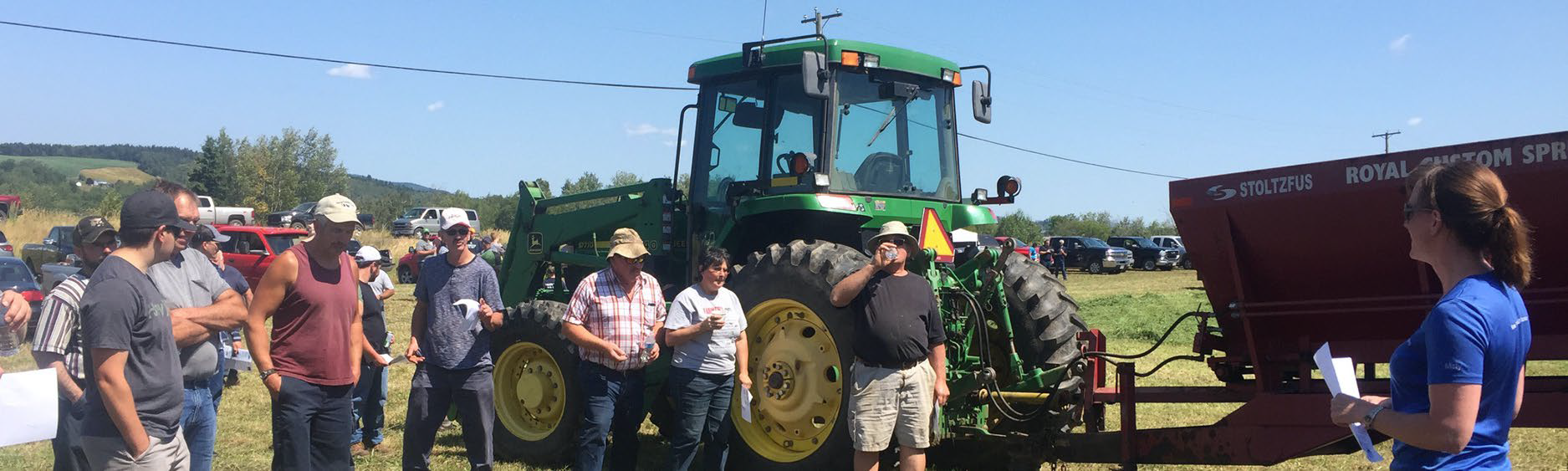
In 2004, J.D. Irving obtained a Canadian Food Inspection Agency (CFIA) federal fertilizer label. This registered the ash as a fertilizer product, taking their ash out of waste stream regulations. The ash met all the criteria for federal fertilizer and was no longer required to be sent to the landfill. However, the company still had an experience gap. In 2010, J.D. Irving hired an agricultural consulting company (LP Consulting), who had the expertise to both market the ash profitably, and to work with farmers to increase crop production. The consultants made a plan to follow-through on the ‘win-win’ of wood ash, bringing booths and displays to farm meetings, hosting demonstration tour days in farmer’s fields, getting ash approved for organic products, and incorporating it into their crop management programs. By 2012, 100% of the ash was booked for beneficial use. By 2014, it was booked three years ahead of production, a level of enthusiasm which continues to this day. If J.D. Irving could produce four times as much ash, there would still be an agricultural waiting list.
BENEFITS
COST SAVINGS
J.D. Irving no longer has the cost for landfill tipping fees and trucking.
PUBLIC IMAGE
Partnering with the agricultural community to help them improve soil health and increase climate change resiliency
GREEN ECONOMY
By providing local sustainable nutrients and organic matter that offsets fossil fuel products mined and imported from other countries
COST > PROFIT
By turning the liability of waste into an asset, Irving has not only reduced operational costs but potentially created a revenue stream. The company is exploring further carbon credit opportunities for redirecting their industrial by-products as inorganic fertilizer.
