
FROM ORGANIC WASTE TO ENERGY
RESIDUAL:
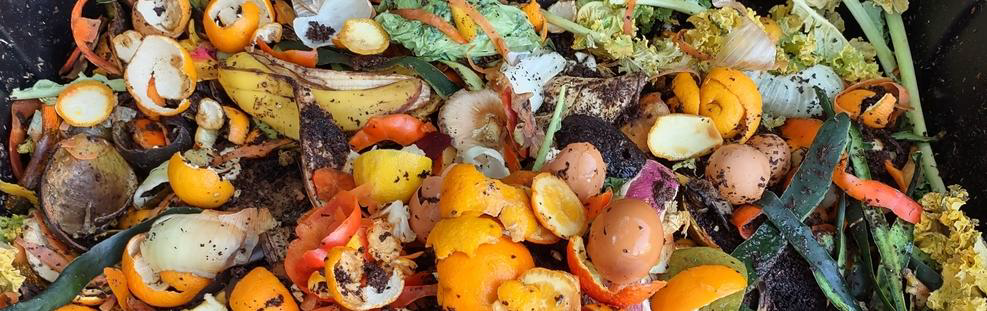
Organic Waste: Food Waste
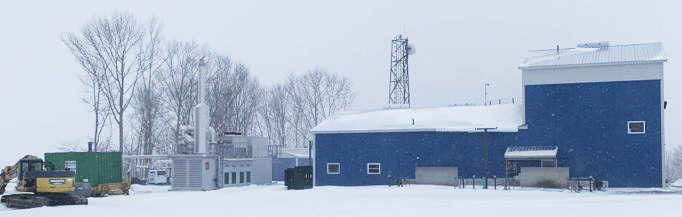
Courthouse Hill Energy is in Gore, Nova Scotia Canada. The biogas plant is on Courthouse Hill Farm, a 300-cow dairy farm owned and operated by the Blois family. Digestate produced in the biodigester is used to fertilize crops grown on the farm.
Greg Blois, along with his family, owners of Courthouse Hill Energy, are dedicated to operating a successful biogas plant and maintaining sustainable agricultural practices on farms. Courthouse Hill Energy gives organic waste generators a sustainable solution to waste disposal, turning organics into energy and fertilizer.
Courthouse Hill has accepted many different kinds of organics including source-separated organics (SSO), grease trap waste, and agrifood products, coming from a variety of sources including restaurants, grocery stores, agrifood processors and third-party collectors.
THE CHALLENGE
There were several contributing factors to the development of the Courthouse Hill Energy Biogas Plant:
Government incentive to move toward renewable energy
Farm was searching for business expansion, diversified income
High cost of chemical fertilizers
Building a biodigester at Courthouse Hill Farm created an opportunity to generate renewable energy, increase business on farm and reduce the requirements for fertilizer. The digestate produced is an excellent source of nutrients for field crops.
For a biogas plant to be successful there must be adequate sources of organics to fuel the digester. Obtaining the appropriate volume of waste organics to fuel the digestion is necessary. Organic waste generators have historically sent their waste to landfills or to a municipal compost facility. Another problem with the source material is the presence of physical contaminants. This can include plastics, packaging, stickers, napkins, and cutlery. There are also Department of Environment safety concerns and regulations.
THE SOLUTION
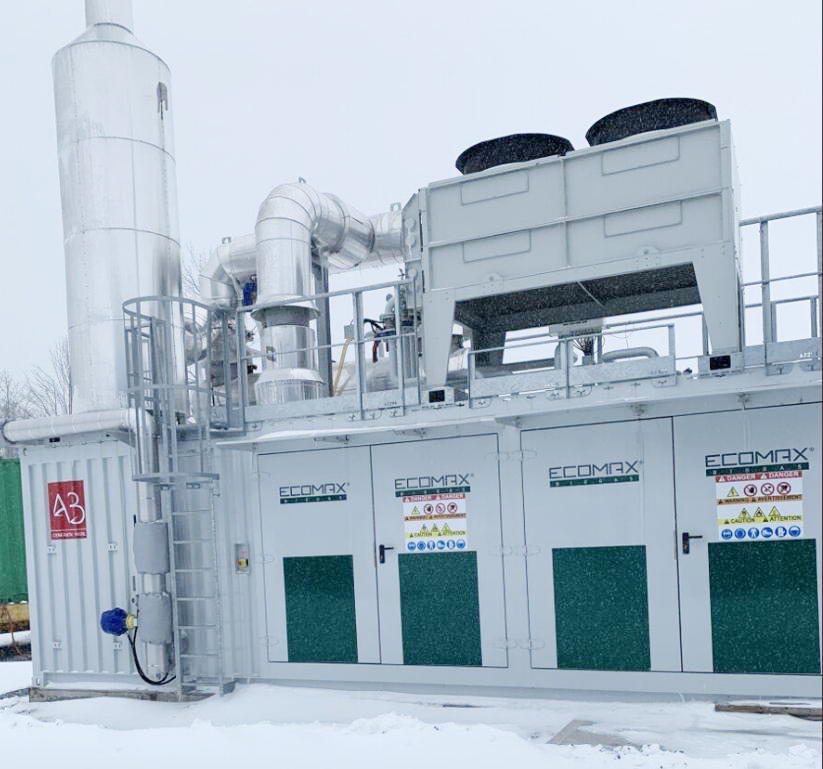
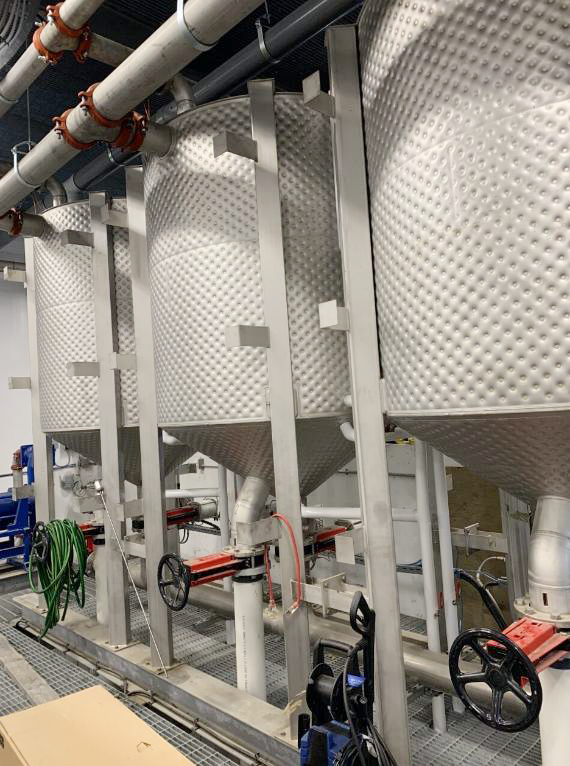
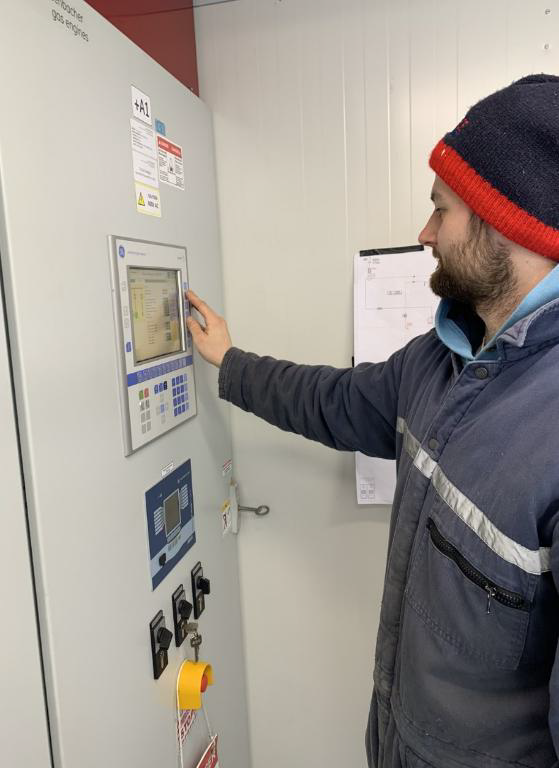
In late 2017, final plans for the biogas plant began. Waste managers began signing contacts, building a reliable stream of organic waste to feed the digester. The facility was running at full capacity by the beginning of 2019. Methane captured from the biogas plant powers a specialized generator, putting 500 kwh of electricity to the power grid. As it was produced, digestate began being applied to the dairy farm’s crop fields. It is applied pre-plant for crops such as corn and soybeans as well as applied on forage fields. Regular laboratory testing is conducted on the digestate to ensure safety and identify nutrient content. Understanding the nutrient content allows implementation of a Nutrient Management plan on farm to ensure balanced application of nutrients to meet crop requirements. The biodigester offers an alternative disposal for organic waste that creates a local disposal opportunity. The waste is turned into green fuel. The digestate produced by the power generation is used to replace synthetic fertilizer. This reduces farm expenses, improves yields and reduces the greenhouse gas (GHG) emissions of the farm.

BENEFITS
REDUCED USE OF SYNTHETIC FERTILIZER
The digestate reduces the amount of synthetic fertilizer required to grow crops on farm. This reduces the on farm expenses as well as the GHG emissions associated with synthetic fertilizer use.
IMPROVED SOIL HEALTH
Correlated to the introduction of digestate, the farm has seen an increase in beneficial soil nutrients indicating overall soil health improvements.
PARTICIPATION IN THE GREEN ECONOMY
The biodigester offers an alternative disposal for organic waste that creates a local disposal opportunity. The waste is turned into green fuel.
