
FROM WASTE TO RESOURCE
RESIDUAL:
Gypsum
Triad Recycling and Energy is a dumpsite in the Greater Buffalo/Niagara region. Triad is dedicated to the recovery of construction and demolition debris including wood, drywall, asphalt shingles, metal, cardboard, glass, siding, plastic material, job site cleanup materials and more
THE CHALLENGE
Historically, Triad would send approximately 15,000 tons of unpainted gypsum wallboard to landfills. This is a costly and environmentally unfriendly method of disposal that contributes to an excessive amount of hydrogen sulfide gas production at landfills. Disposing the gypsum wall board also didn’t align with Triad’s sustainability goals.
The company saw an opportunity to beneficially reuse the gypsum wallboard as an agricultural product. In Western New York, materials for animal bedding were typically comprised from sawdust and shredded paper. Recently however, several things have changed that make sourcing animal bedding more challenging. Furniture manufactures have been leaving the Western New York area, hydro-fracking operations in Pennsylvania, which use wood to “dry” their waste products have increased dramatically, and shredded paper is being sold to paper mills at lucrative rates.
With a shortage of animal bedding in the region, many farmers sought gypsum from Pennsylvania or imported wood sawdust from Canada and Ohio at much higher prices. Triad recognized the need for additional bedding materials in the agricultural community and sought to obtain a beneficial use determination for their recycled gypsum.
THE SOLUTION
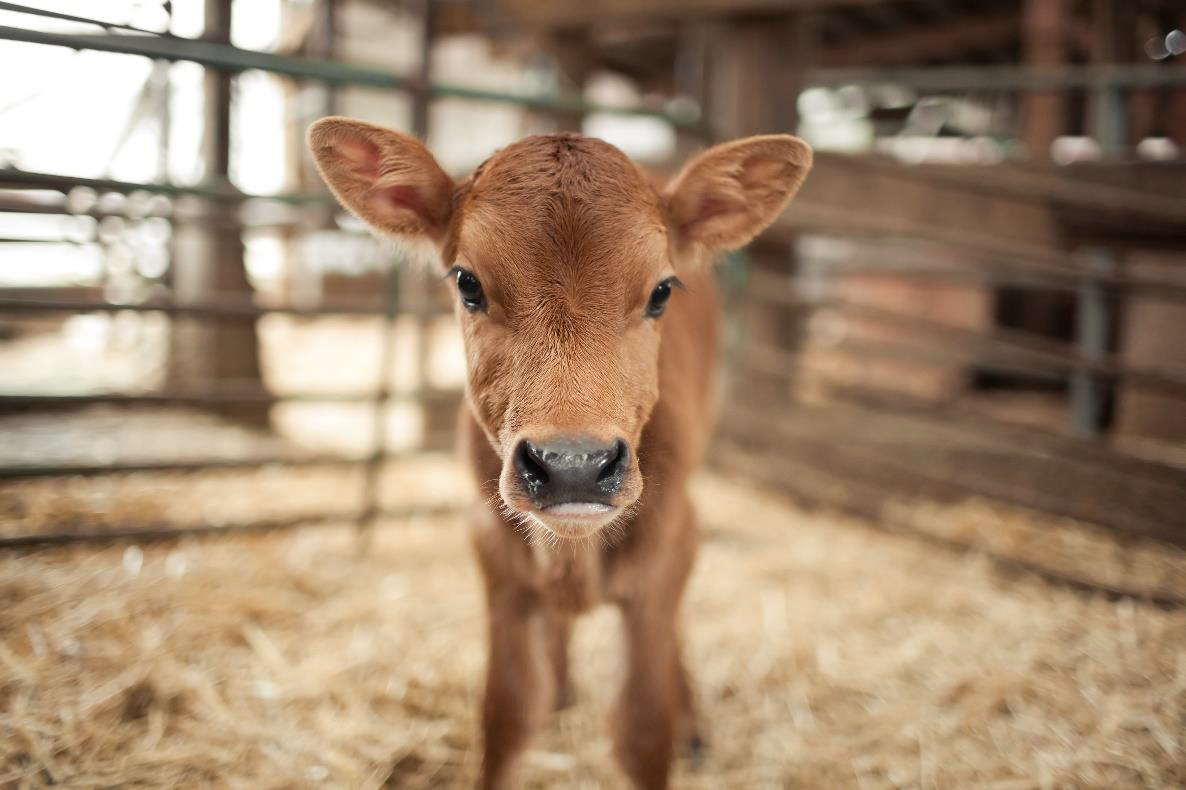
Farmers need bedding material to cover their barn floors and create a comfortable, sanity cushion for livestock to stand and lay on. Animal bedding also helps to absorb animal waste. Farmers typically clean out the barns every few days to collect the animal waste/bedding and stockpile it to be plowed into their fields as a soil amendment. Triad initially obtained a beneficial use determination to use their recycled gypsum as a soil amendment. When animal bedding became more difficult to source in Western New York and knowing the inherent properties of gypsum as a nutrient-rich absorbent, Triad decided to create a fine-textured gypsum product to be used as a bedding material prior to applying it to agricultural fields as a soil amendment. The process that created the gypsum for a soil amendment had to be changed slightly to produce a fine-textured material for bedding. The gypsum is first shredded, then milled down to size by hammer mills, and screened to control particle size. The resulting materials is similar to lime and is approximately 50% powder and 50% fluffy, soft, cotton like paper by volume. The product is very dry, absorbent, and mixes readily with sawdust with minimal dusting. The material also helps reduce odors. Farmers utilizing gypsum bedding do not introduce the material to lagoons, sand bedding, or basement collection systems. This way they eliminate the risk of hydrogen sulfide generation in enclosed or low areas.
BENEFITS
COST SAVINGS
Triad no longer pays landfill tipping fees or trucking costs. Farmers can locally source animal bedding materials and have a cost-effective soil amendment. TRANSFORMING A COST INTO PROFIT
PUBLIC IMAGE BOOST
Agriculture and recycling communities are working together to limit the amount of gypsum in the landfill, helping to reduce hydrogen sulfide gas production and improving soil health on agricultural fields.
PARTICIPATION IN THE GREEN ECONOMY
By providing local alternative options to farmers, Triad can reduce the amount of fossil fuels it takes to transport and produce comparable materials, lowering the environmental impact for both their company and the community.
FROM COST TO PROFIT
By recycling clean wallboard Triad has been able to reduce their overall cost of landfill disposal and provide an economical option for animal bedding to farmers. The beneficial use of gypsum helps save Triad, farmers, the landfill, and rate payers money by turning a ‘waste’ into a resource.
