
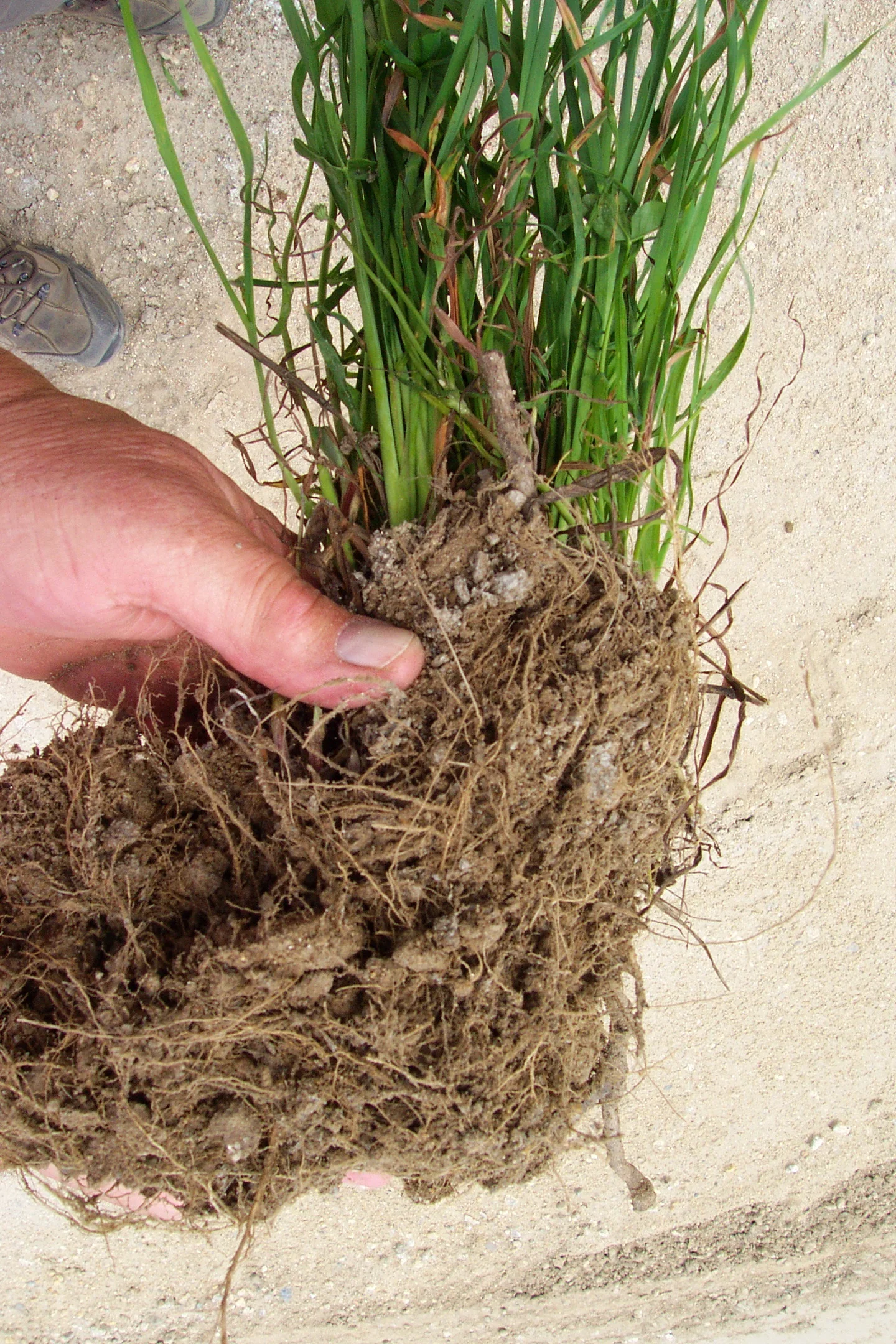
Soil health is a growing focus of agricultural operations and other activities that can affect soil, with more attention going to the diverse ecology and functions inherent in soils.
The U. S. Dept. of Agriculture's NRCS is advancing soil health initiatives, as is the Soil Health Institute (which has published literature reviews on the impacts of manure and biosolids applications) and the Soil Health Partnership.
California, the nation's breadbasket, is taking the lead in advancing formal soil health policies.
After legislation was passed to address healthy soils, an Action Plan was published in September 2016.
The state's Healthy Soils Initiative webpages explain the numerous reasons why investing in soils is so important and impactful—not only for sustaining agriculture and the humans that depend on it far into the future, but to address climate change and other environmental issues.
As noted by California’s Department of Food & Agriculture, steps to soil health include reducing soil disturbance, diversifying soil biota, keeping living roots growing in soils all year, and keeping soil covered with plants and mulch.
Biosolids and other organic residuals are playing a significant part in California's Healthy Soils Initiative. Why? Because returning organic matter to soils builds soil carbon (C) and stimulates further carbon sequestration while providing macro- and micro-nutrients that support soil ecosystems and crops.
What is Soil Health? - a Cornell Fact Sheet, December 2016
Soil Health Assessment - a USDA NRCS resource
Cornell Soil Health Assessment Training Manual, 2016
Robert Deutsch, AgVise presentation "Soil Health," 2017
Will Brinton: Webinar on Soil Health, March 2018 (below)

The Charlottetown soils of Prince Edward Island are derived from iron-rich bedrock and soil particles. This soil is the official Provincial Soil of PEI.
Why Organic Matter Matters
From the Synagro presentation Building Health Soils with Organic Residuals, 2017
Decreases soil erosion
Supplies nutrients
Buffers against pH change
Holds water
Increases the cation-exchange capacity, which protects against leaching loss of nutrients
Decreases compaction
Stores nutrients
Makes soil easier to till
Helps retain added fertilizer
Protects against plant diseases
Better aerated=more permeable
Protects against heavy metals & salt toxicities
Detoxifies pesticides
Contributes to storage of atmospheric CO2
Promotes high yields
Promotes microbial breakdown of toxic substances
Makes it possible to grow acid loving plants
Supports microorganisms that recycle nutrients
Promotes healthy soil formation
