
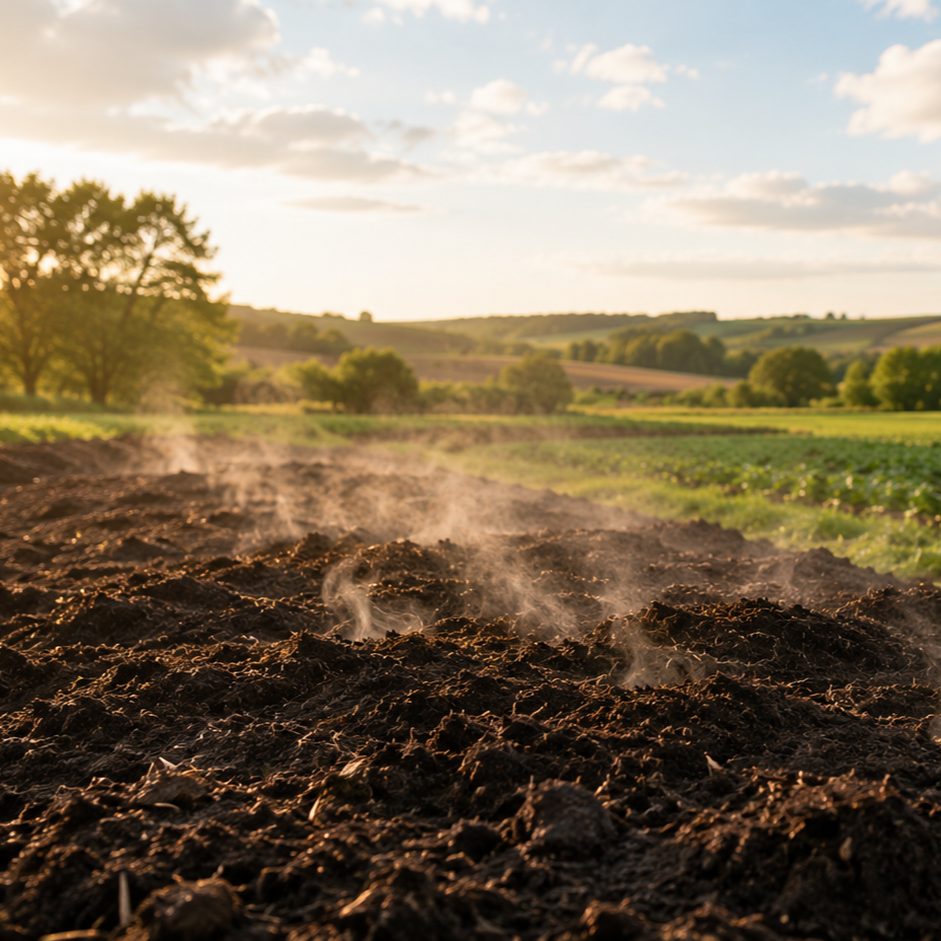
Odors from Biosolids & Organic Residuals
The Water Environment Research Foundation (WERF) and others have applied odor science to biosolids management, informing wastewater and biosolids professionals on how to reduce, treat, and manage odors. Some regulatory agencies have instituted nuisance or odor regulations to try to reduce conflicts. Yet, while much more is now known about odor management, it is not the most precise science.

Microconstituents / Contaminants of Emerging Concern (CECs)
Since 2000, there has been growing concern about the potential impacts of traces of synthetic chemicals in the environment. This has been driven by the ability of scientists to measure smaller and smaller amounts - parts per billion, parts per trillion, etc. Wherever scientists have looked—in surface waters, in soils, in mammals, in the arctic—they have found traces. These traces get into the environment directly from homes and businesses and daily activities of societies around the globe. Sometimes, microconstituents are called “chemicals of emerging concern,” because they have been there, but are now being detected, causing new concern.
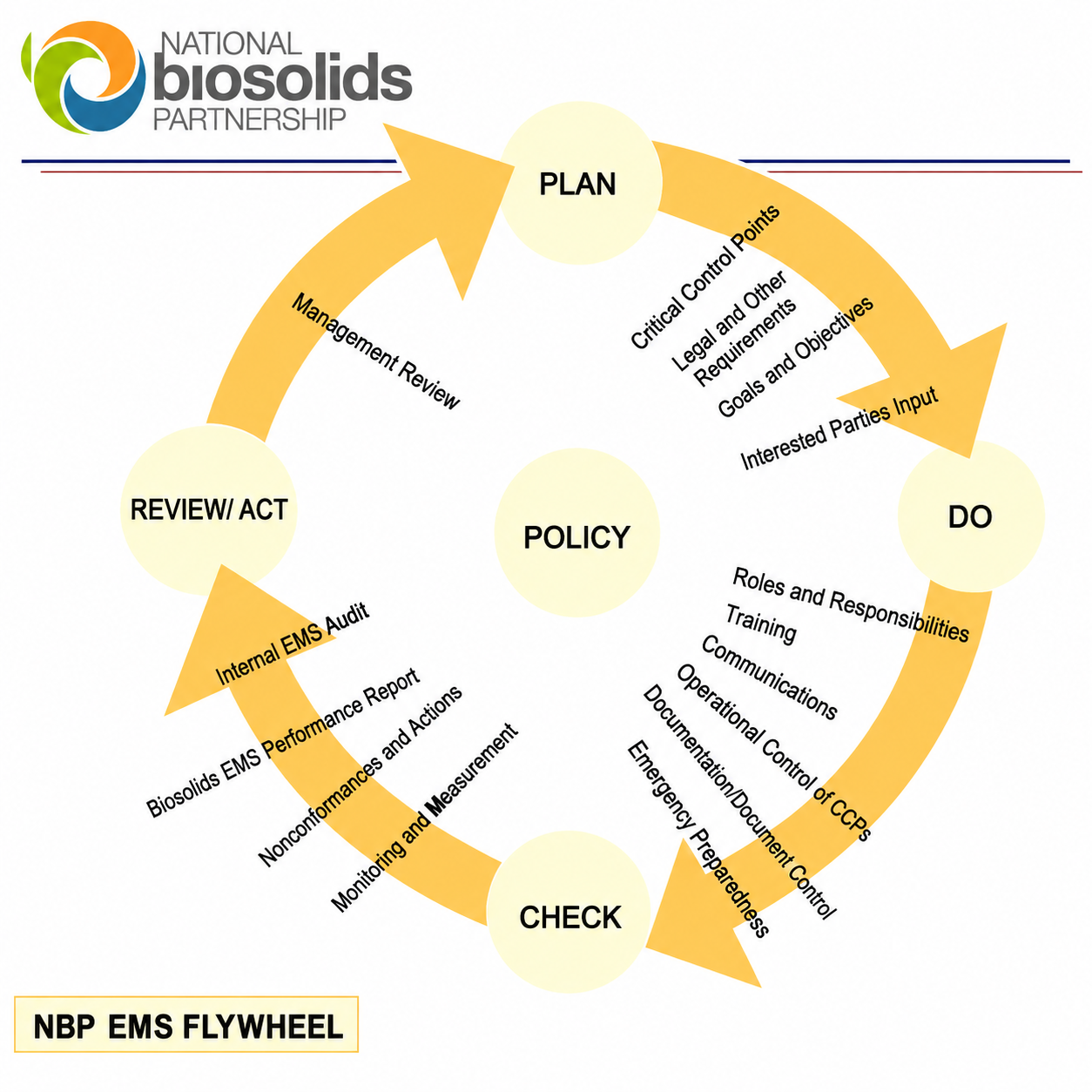
Environmental Management for Biosolids
Some New England and eastern Canadian wastewater treatment facilities and biosolids management programs developed Environmental Management Systems (EMS) for biosolids. NEBRA encourages organizations to adopt an Environmental Management System (EMS), because it helps assure quality programs and smooth operations.
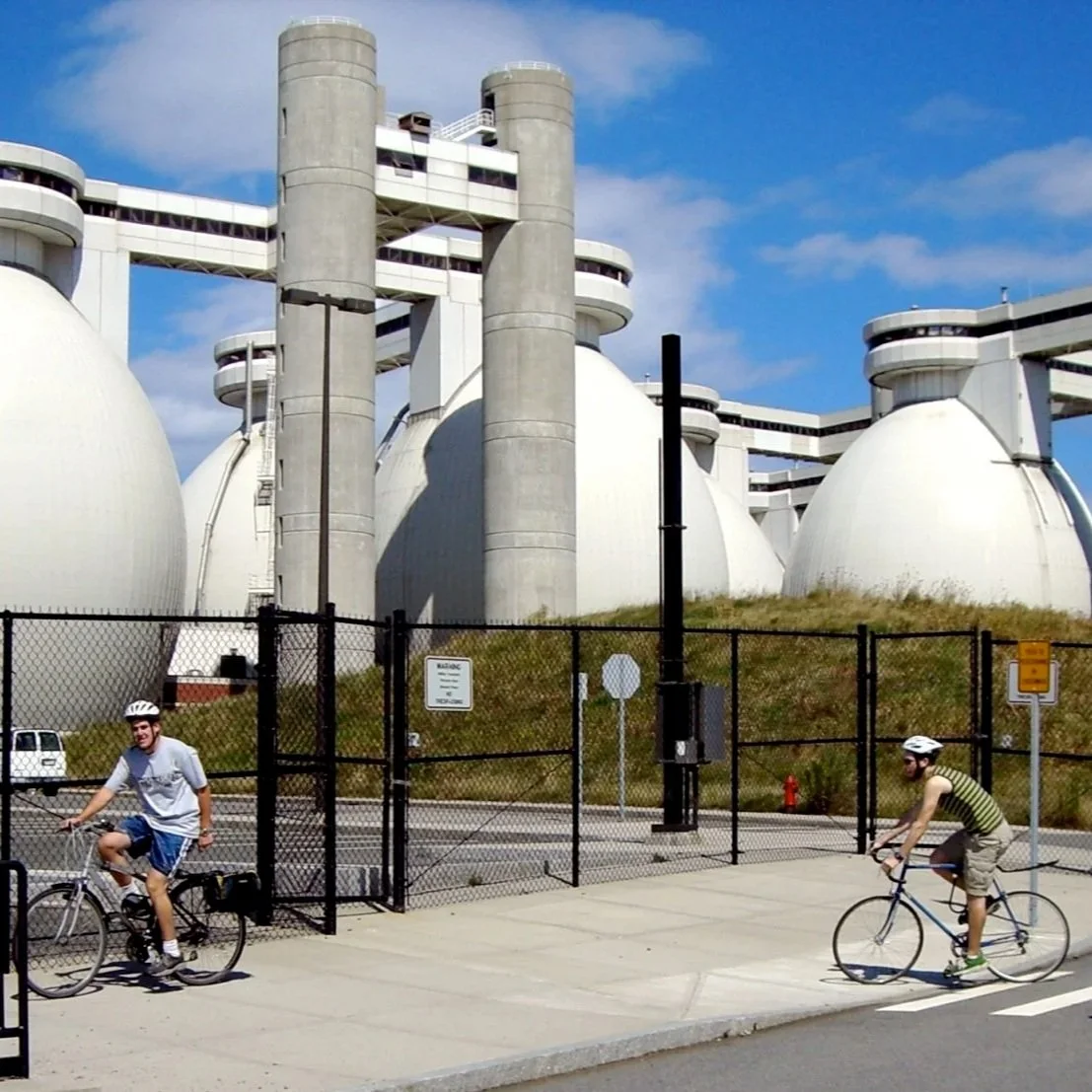
Industrial Pretreatment of Wastewater & Pollution Prevention
Industrial pretreatment is a form of Pollution Prevention (“P2”), also known as “source reduction." P2 is any activity that stops or reduces the initial release of pollution to the environment. P2 is the very first step in ensuring a clean environment: if you can stop pollution at the source, then you don’t have to worry about recycling, clean-up, or treatment.
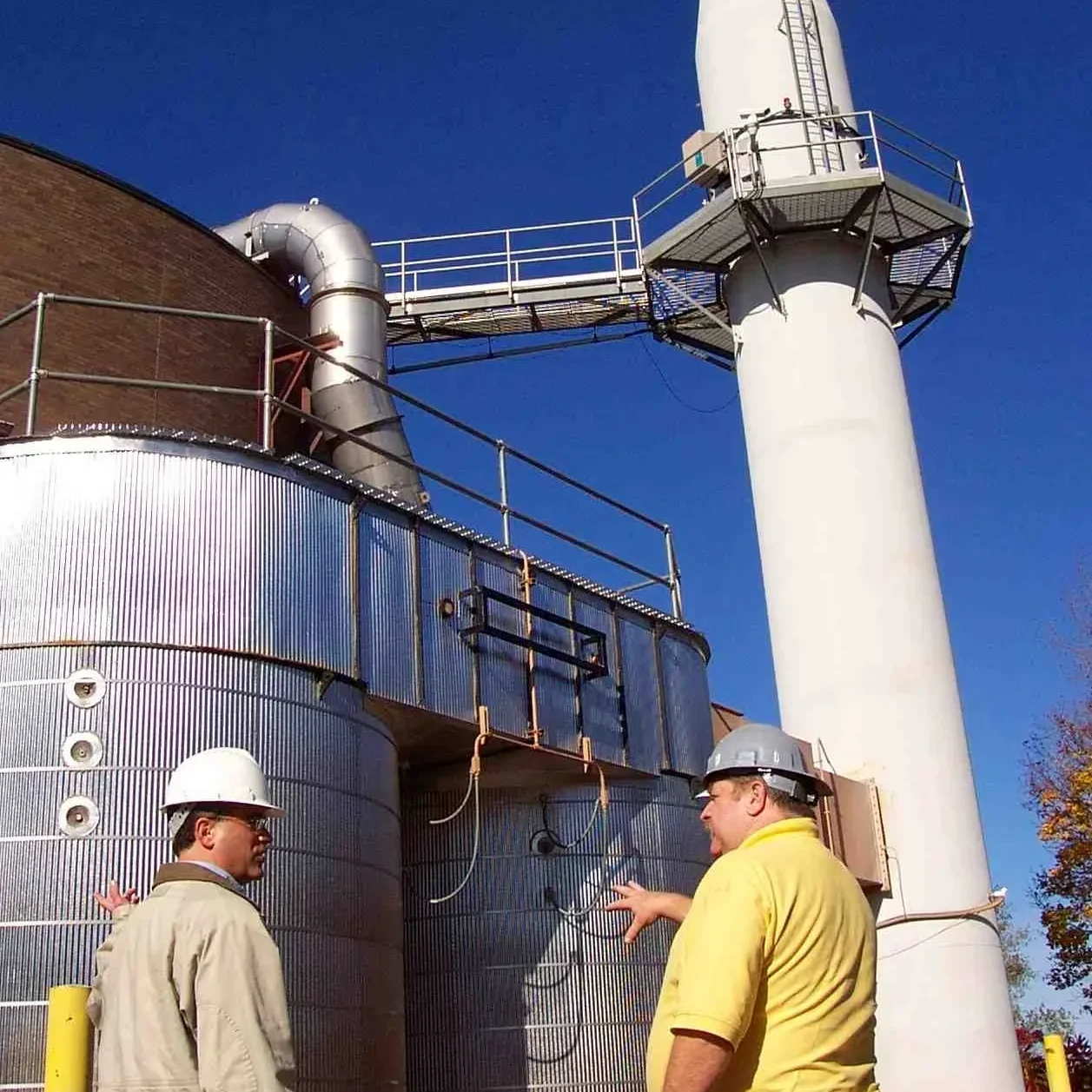
Incineration / Thermal Conversion
Incineration (thermal oxidation) is one of the three options for managing wastewater solids and other organic residuals. Water resource recovery facilities (WRRFs) in southern New England and some cities in Quebec rely on incineration for disposal of wastewater solids.
Heavy Metals (Trace Elements) in Biosolids and Residuals
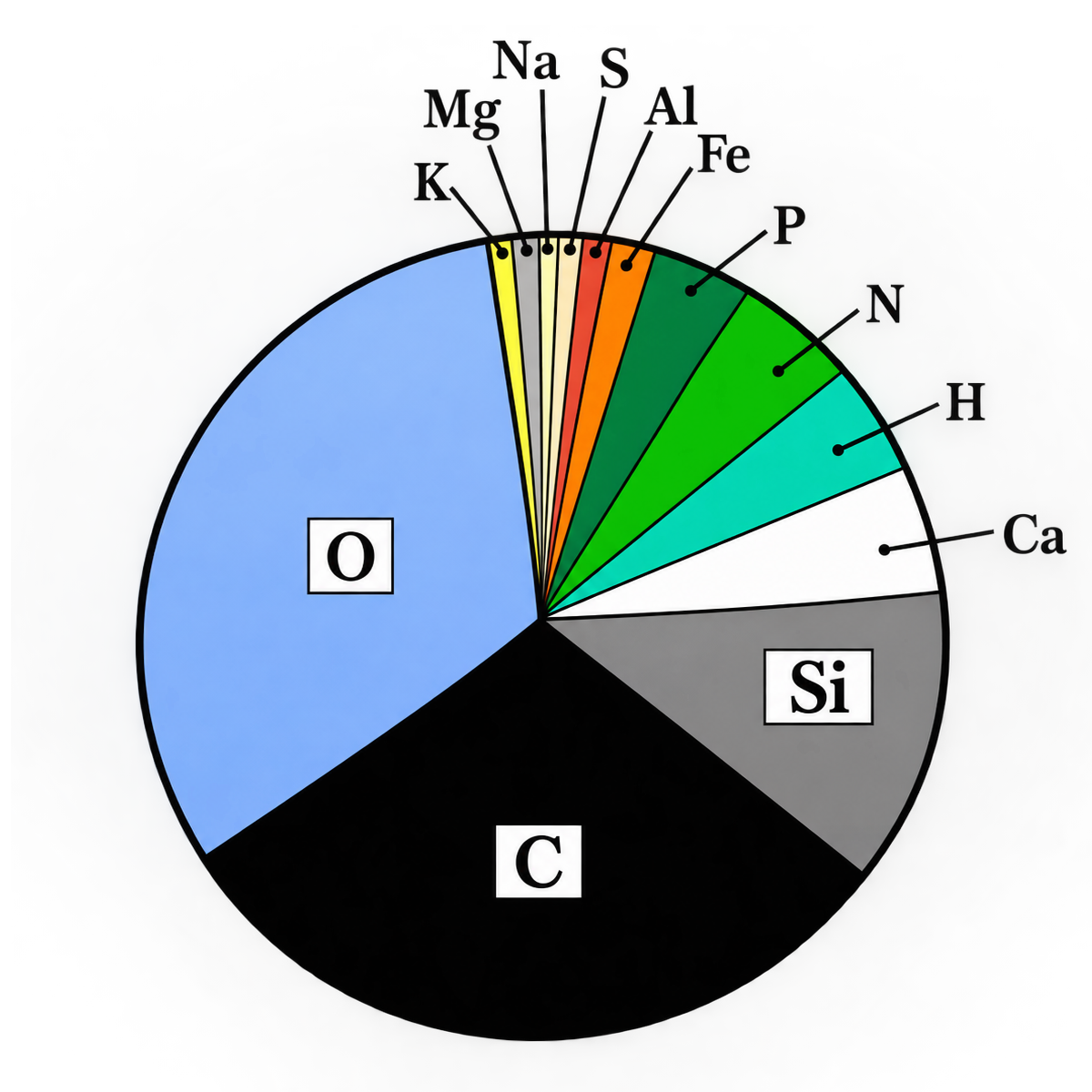
"What about the heavy metals?" is one of the most common questions people ask when they hear about use of biosolids as soil amendments and fertilizers. This was once a concern in the 1960s and 1970s when industrial pollutants were discharged to wastewater treatment facilities without consideration and the resulting sewage sludges were used on farms. Some farm fields built up high levels of cadmium, lead, mercury, and other elements.

GHG Emissions & Biosolids/Residuals
NEBRA is working with stakeholders across the continent on advancing understanding of how biosolids management affects climate change and how biosolids managers can optimize operations to reduce their carbon footprint.
Coronavirus & Biosolids/Residuals
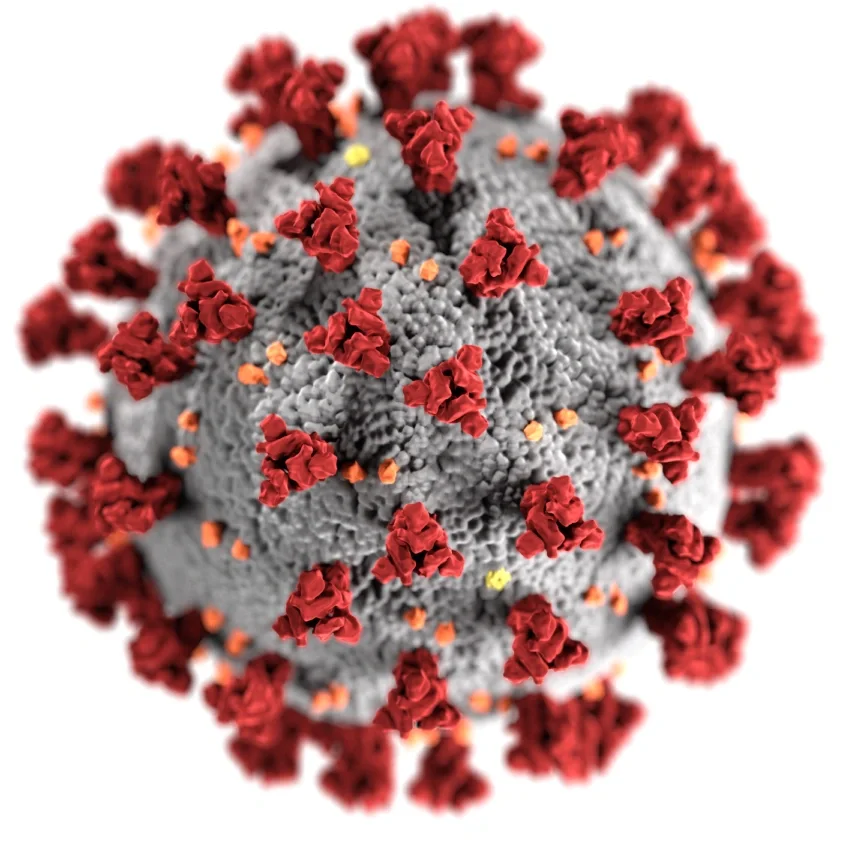
“…Existing requirements and guidance help ensure that biosolids are processed, handled, and land-applied in a manner that minimizes the risk of exposure to pathogens, including viruses. We have no evidence that biosolids contain infectious SARS-CoV-2 virus when requirements under 40 CFR part 503 are met for Class A biosolids…”
Bioassays Applied to Biosolids
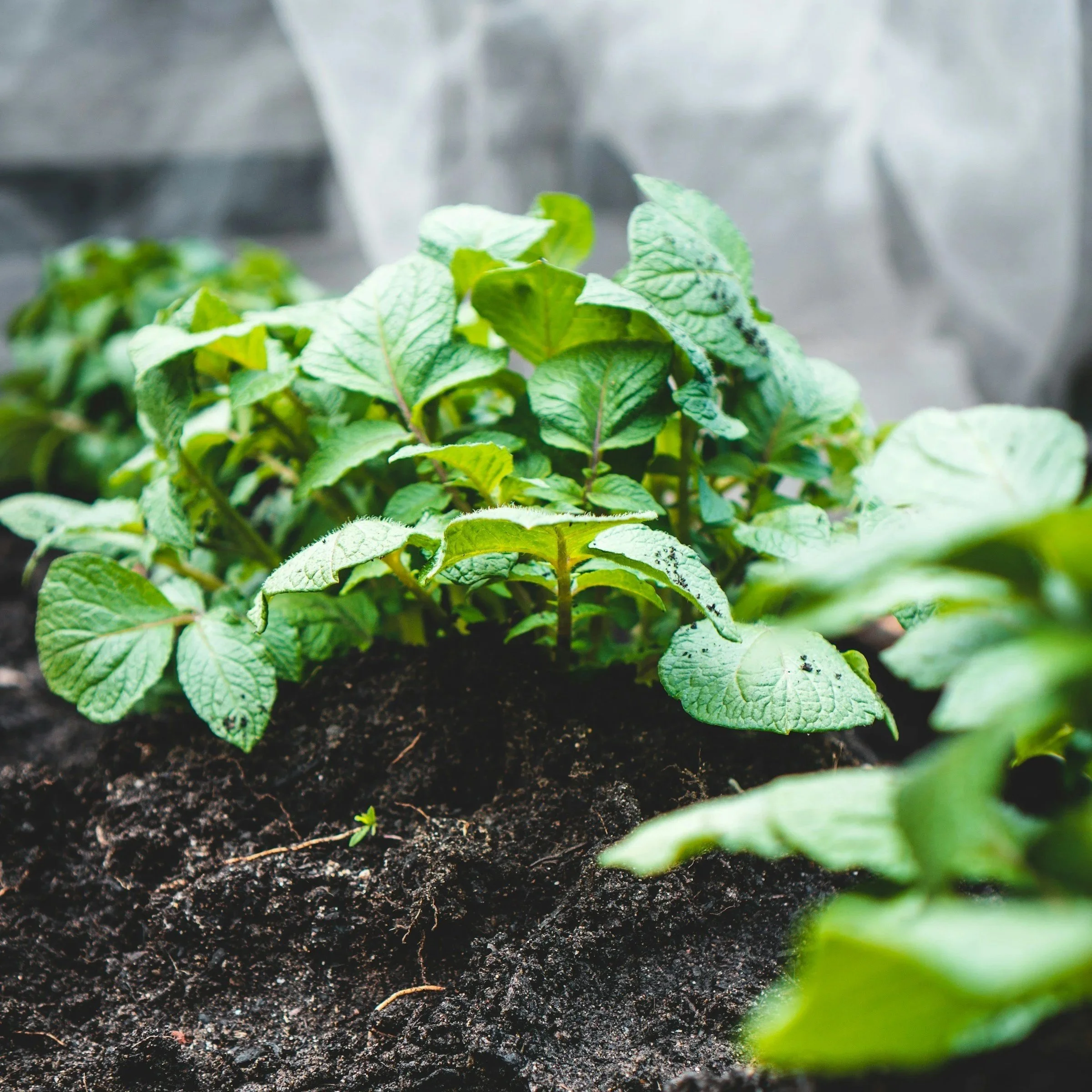
Today, there is increasing interest in research using bioassays to assess the overall impacts of the most common uses of biosolids: in agricultural settings. With people expressing concerns about tens of thousands of synthetic chemicals in use, many of which might be in biosolids (in parts per million or billion or less), the challenge of testing every chemical, one-by-one, seems more overwhelming than ever.
Bioaerosols
The transportation, management, and application to land of fertilizers, animal manures, biosolids, or other materials can stir up dust and create small particles that may contain microorganisms (e.g. bacteria), some of which might be pathogenic (disease-causing). This can happen in enclosed facilities (e.g. compost facilities) as well as outside at farm sites.
Anaerobic Digestion
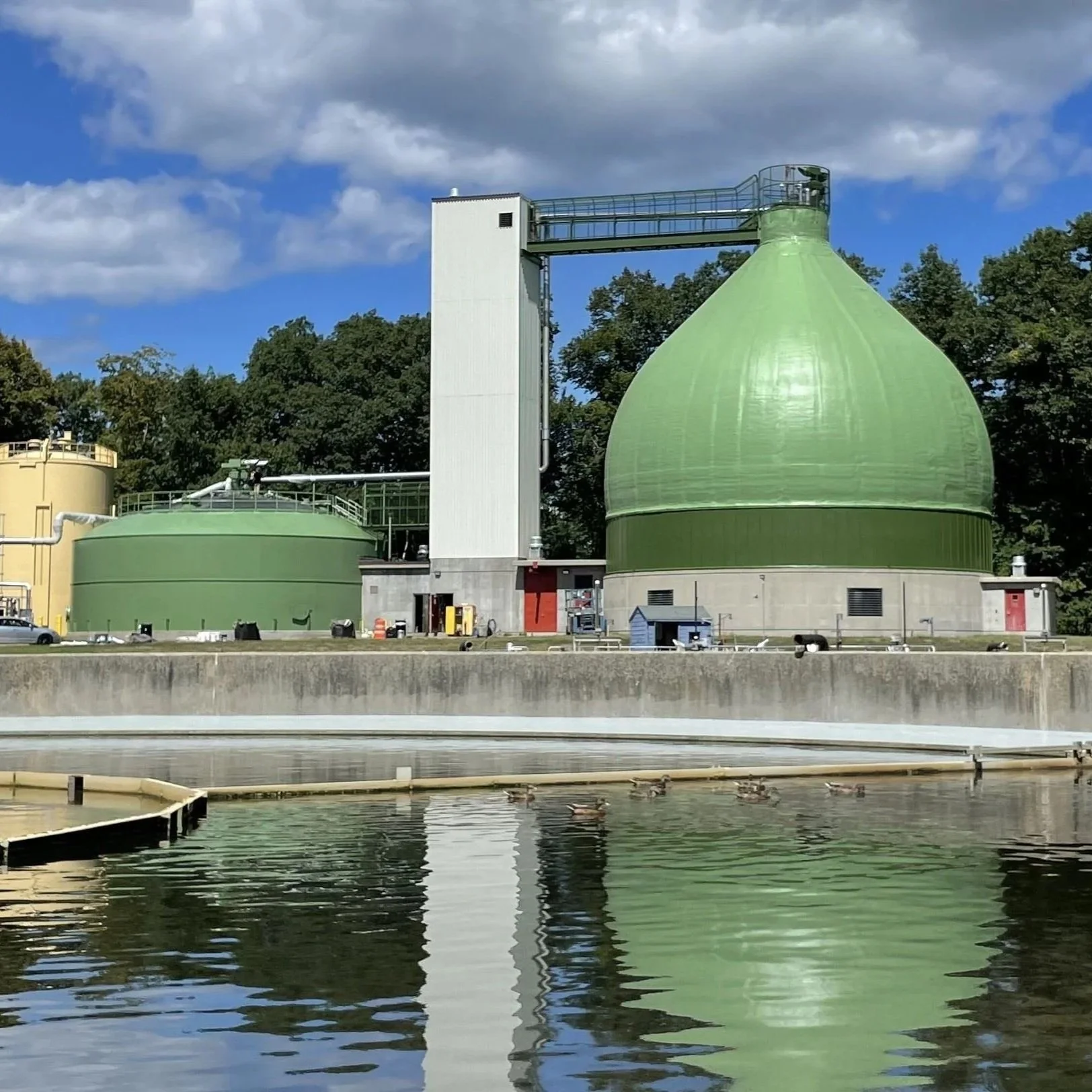
Anaerobic digestion (AD) is a process by which microorganisms break down organic matter, producing various gases and a reduced volume of semi-solid residue. The gases produced, called "biogas" or "digester gas," include a high percentage of methane, which can be burned to produce heat and/or electricity. Biogas from anaerobic digestion of biosolids and other organic residuals is a renewable, green fuel. The semi-solid residue from the digestion process, called "digestate" (and/or "biosolids," if it is derived from wastewater solids and meets regulatory standards for use on land) is a stabilized material that can be used as a soil amendment, for animal bedding, or other uses, depending on the levels of further treatment.

Biosolids and Harm
Biosolids recycling can be a controversial topic. The idea naturally raises questions: "What do you mean, you're applying to soils what's left over from treating the wastes from toilets and drains in households, businesses, and industries?" But decades of research, experience, and regulations have developed robust systems for safety, allowing for beneficial use of the resources in biosolids.
Agronomic Rate
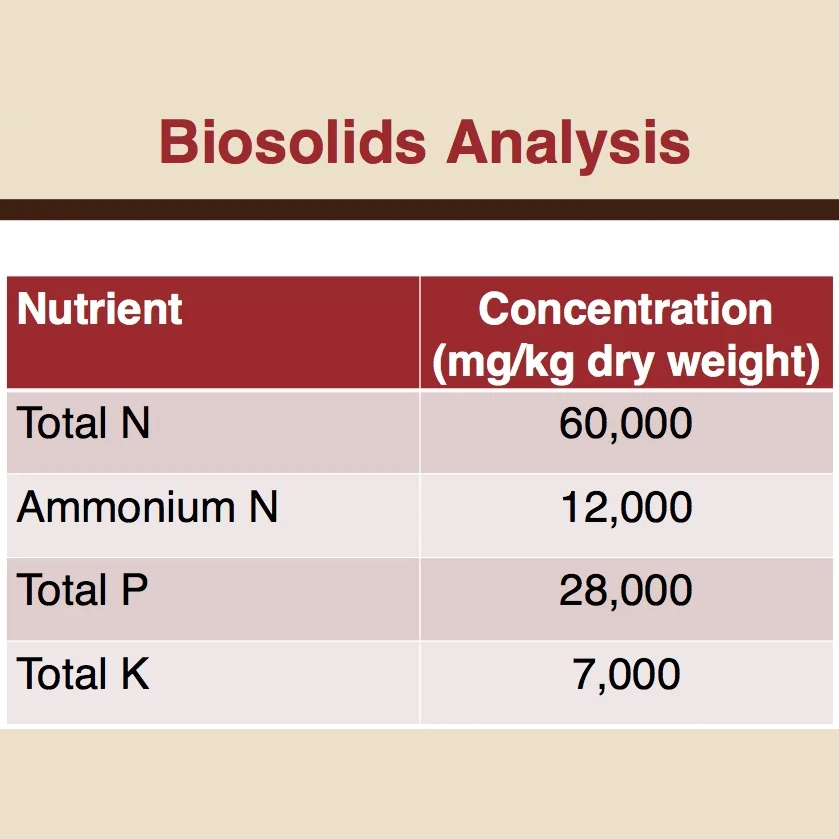
When biosolids and other organic residuals are applied to soil, the amount used is determined by the agronomic rate. This means that the number of tons per hectare or acre is determined based on the amount of nutrients in the biosolids/residuals and the amount of nutrients needed by the crop being grown.
About Residuals
At NEBRA, it’s our mission to cooperatively promote environmentally sound recycling or beneficial use of water, wastewater, and other residuals in the Northeast, New England, and eastern Canada. Residuals are a significant piece of that puzzle.
The Scientific Basis for Biosolids Use
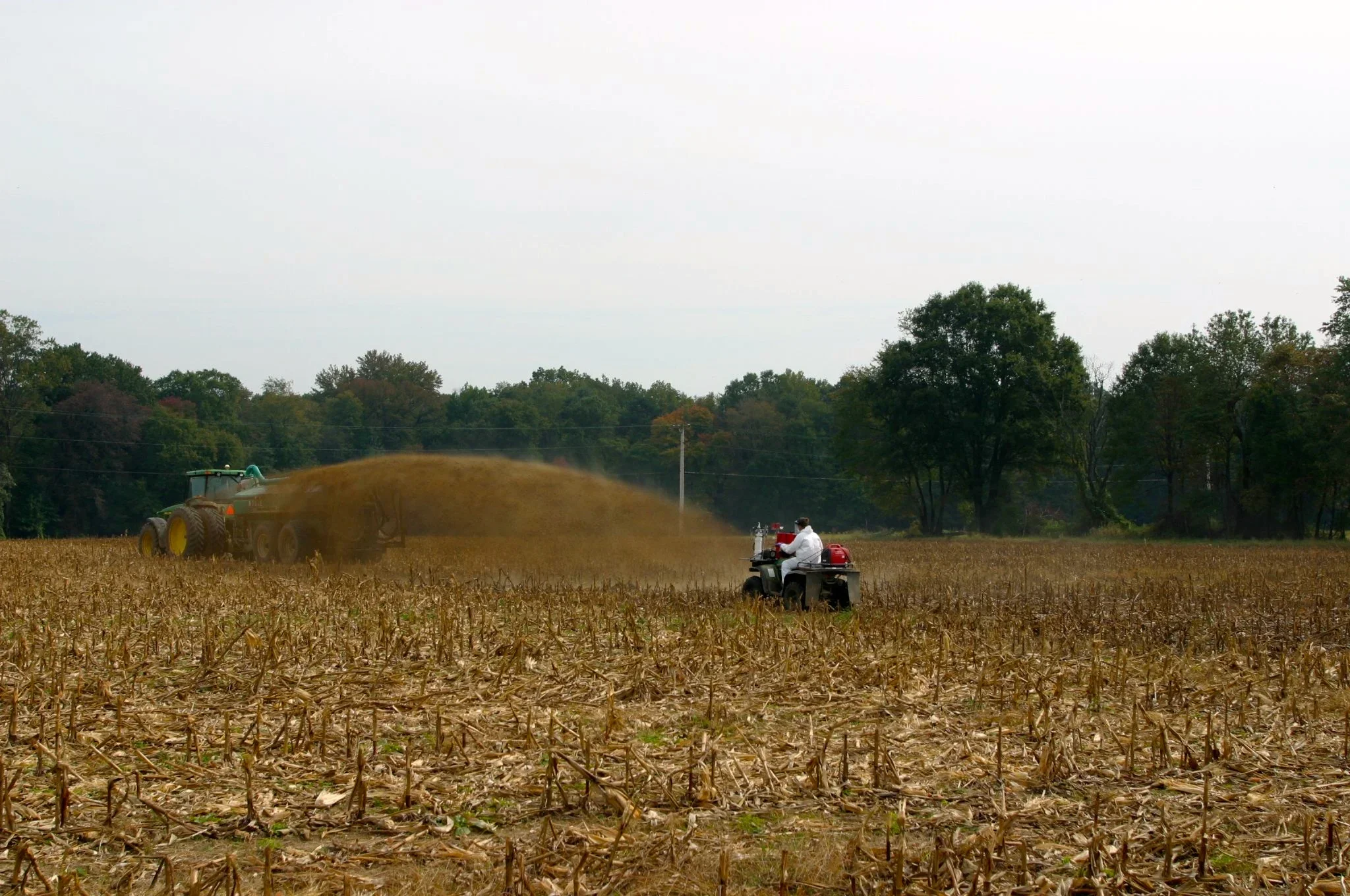
The scientific process depends on critical peer review and debate. Modern biosolids recycling policy and practice rests on a body of scientific research, review, and debate conducted for over 40 years.